The Cambridge Urban Forest Master Plan was a multi-year effort to prepare the city's urban forest for a changing climate. Working at Reed Hilderbrand, I was part of a multidisciplinary team that included ecologists, engineers, arborists, soil specialists, planners, policy experts, and public engagement specialists.
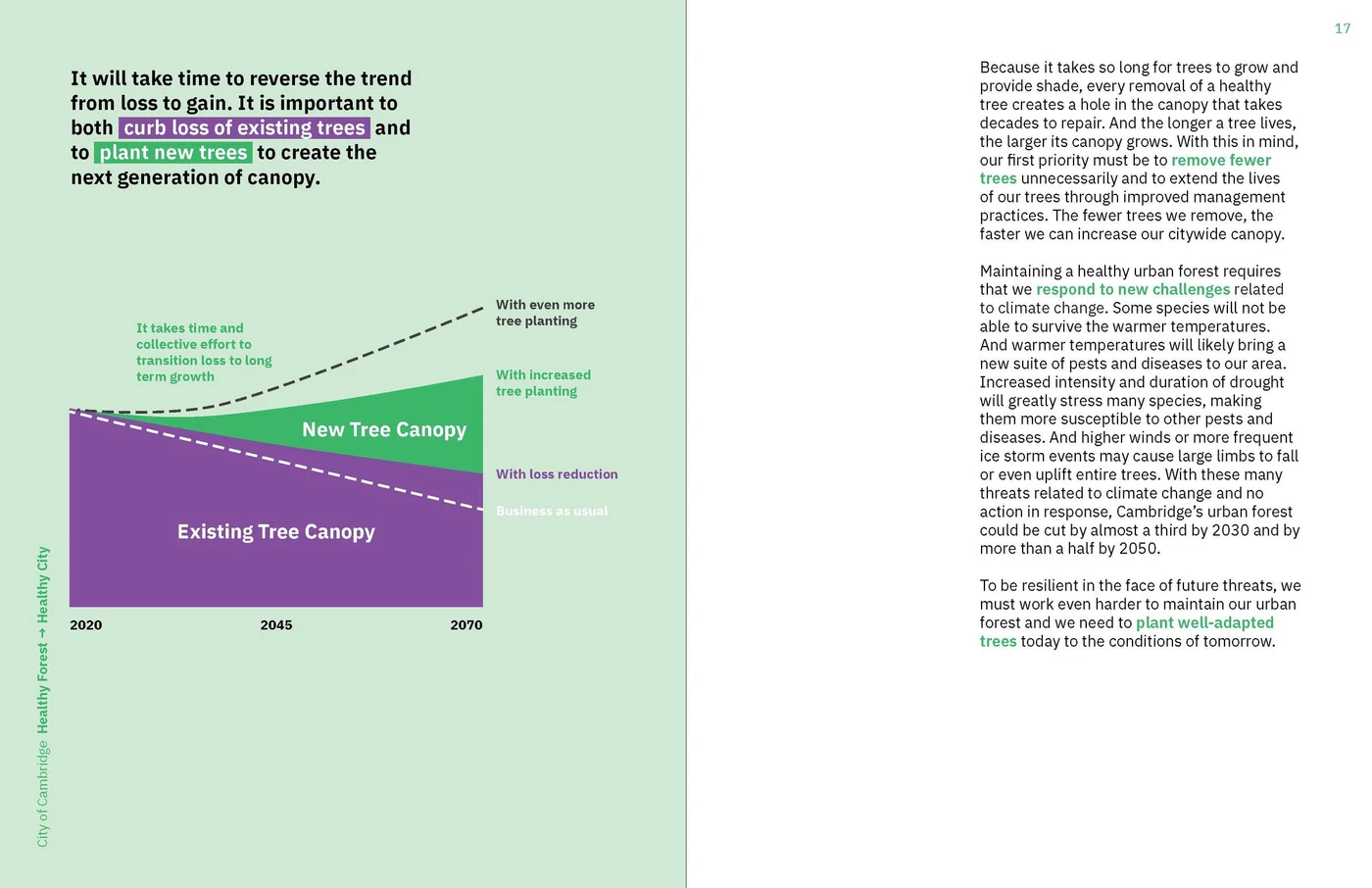
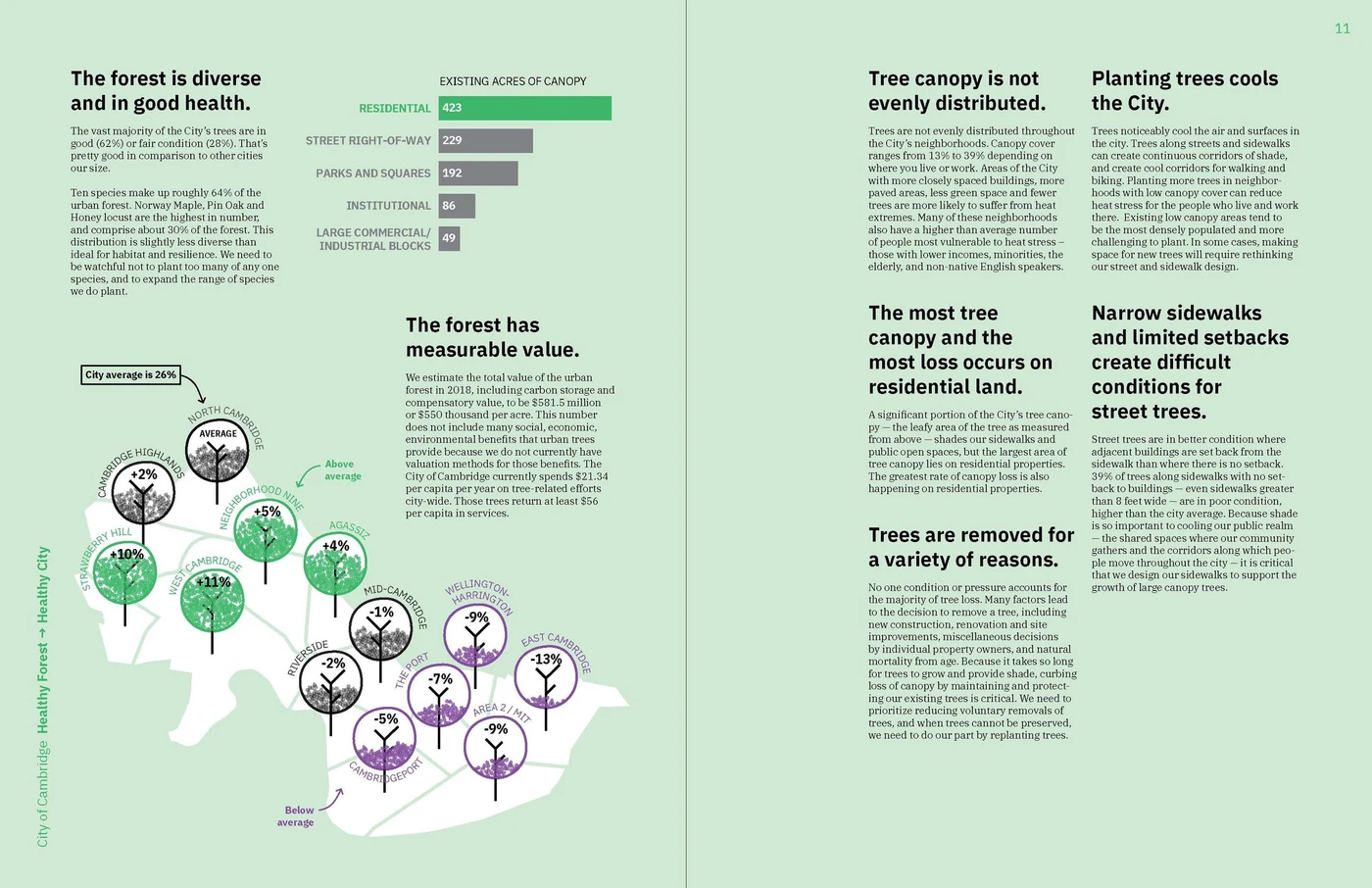
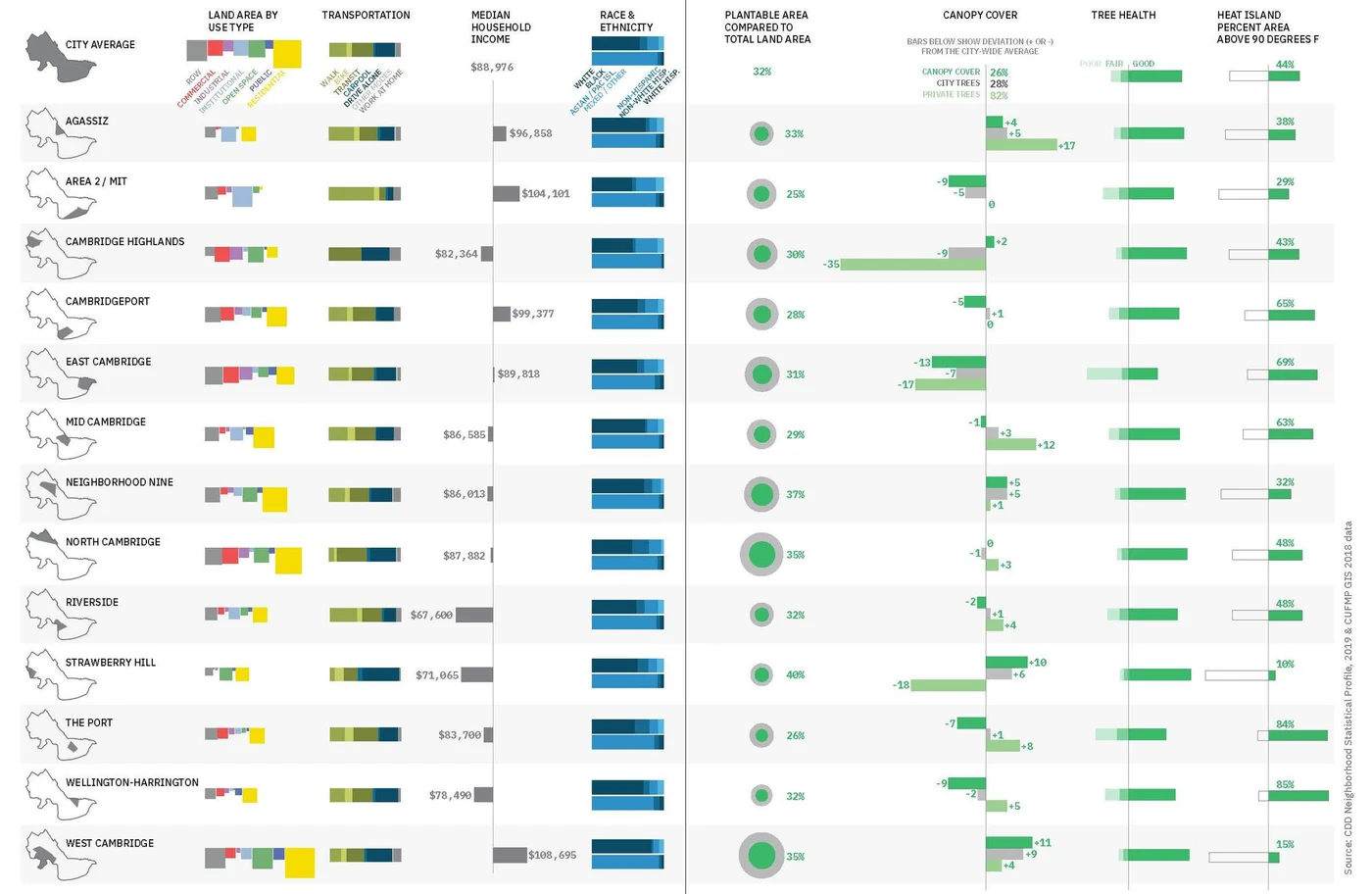
The work brought together an unusually broad body of information, from climate modeling and LiDAR scans to canopy data, species vulnerability, soil conditions, heat, flooding, drought, pests, and long-term maintenance.
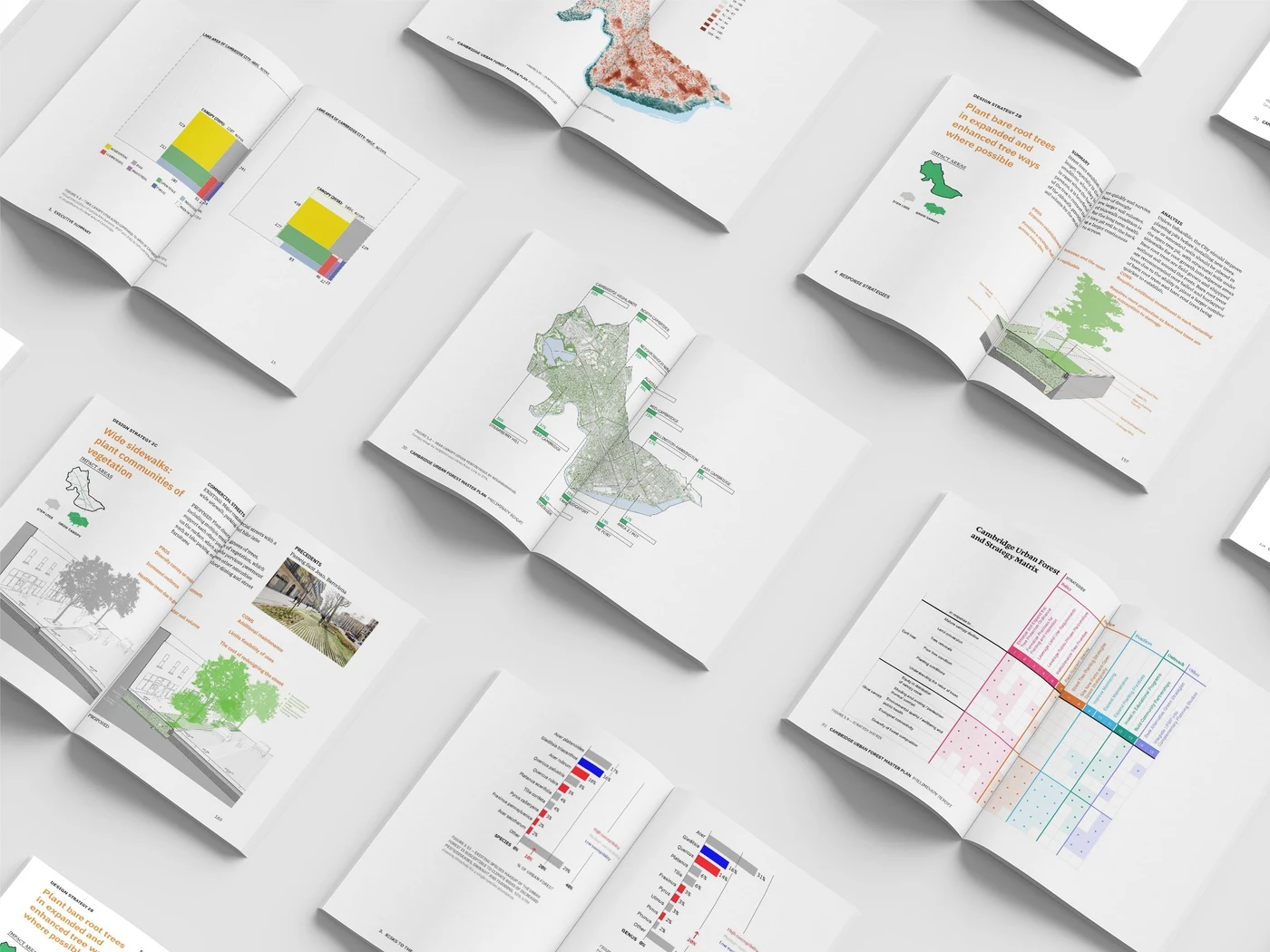
I coauthored the 264-page technical report and worked extensively on the research communication, data visualization, infographics, and visual storytelling that shaped the final plan.
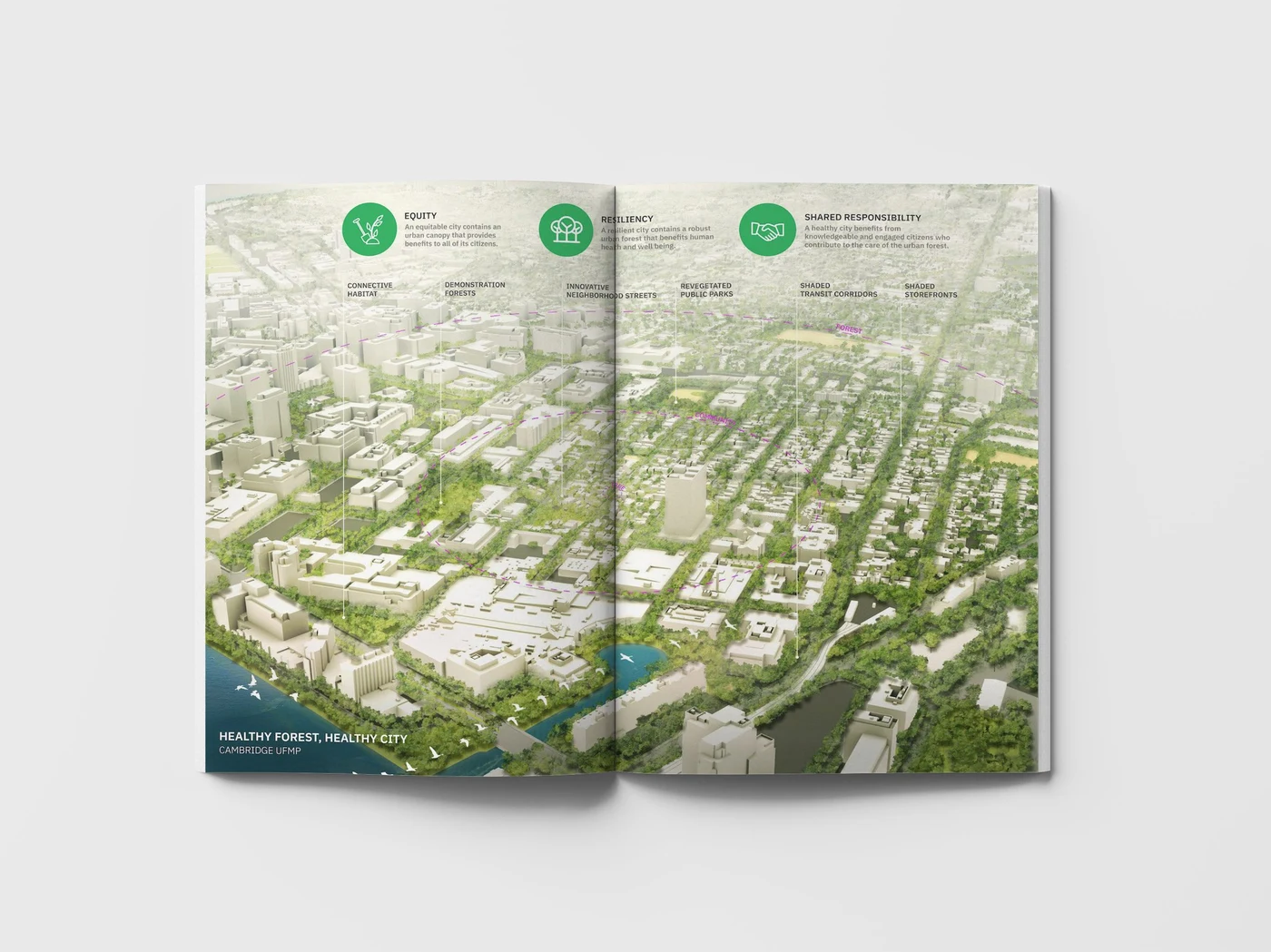
I also designed the public summary report and prepared presentations throughout the project for monthly task force meetings and public meetings, translating complex technical material for very different audiences.
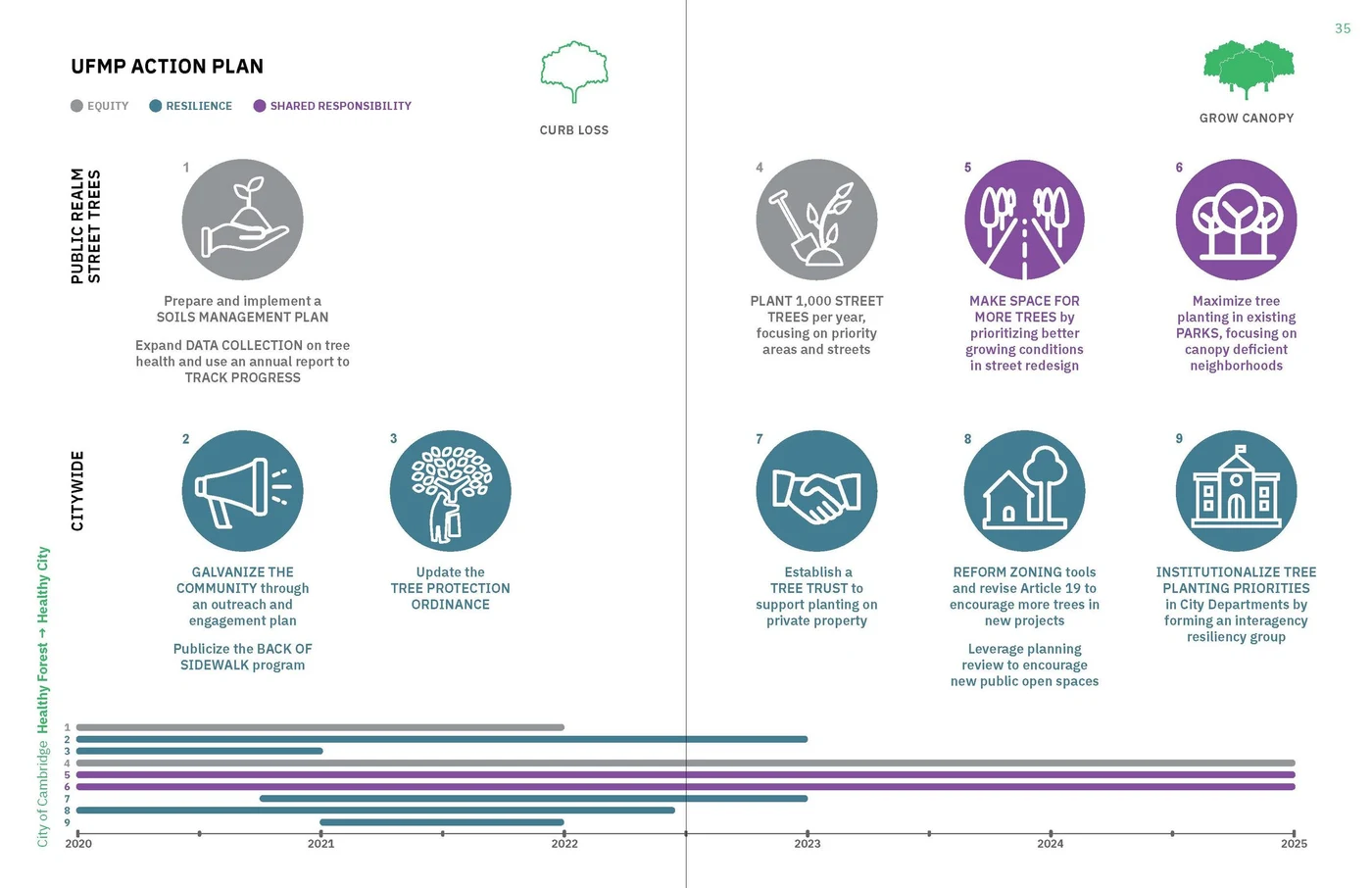
The recommendations went well beyond planting more trees. The final plan included a comprehensive index of proposed changes across policy, practice, design, maintenance, outreach, and long-term stewardship.
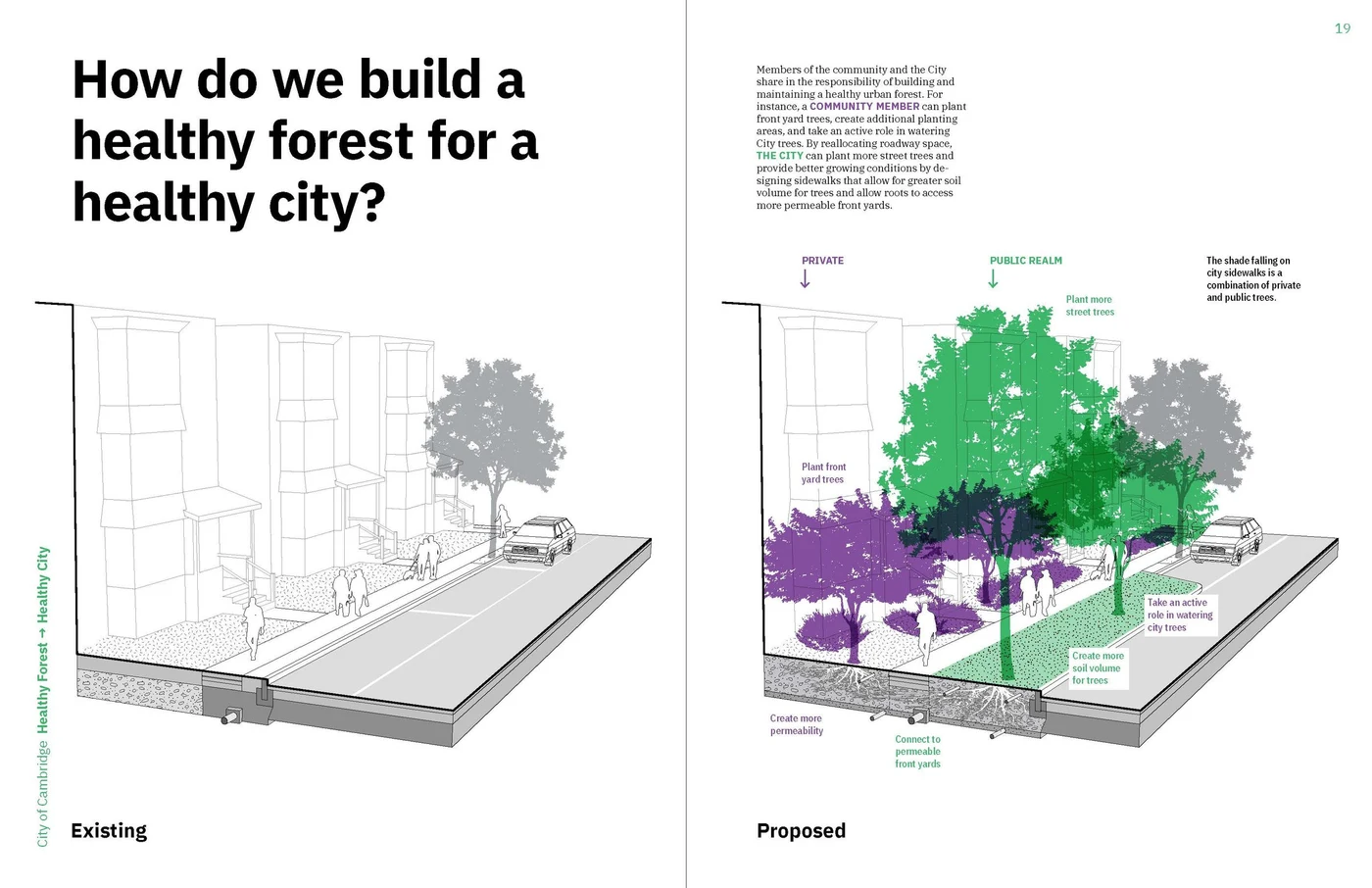
A central goal was to create an urban forest resilient to climate threats such as heat, drought, and flooding, as well as biological threats affecting different tree species. Just as importantly, the work looked at how the city could build a stronger sense of belonging and shared responsibility around the urban forest, so residents could see themselves as participants in its care.
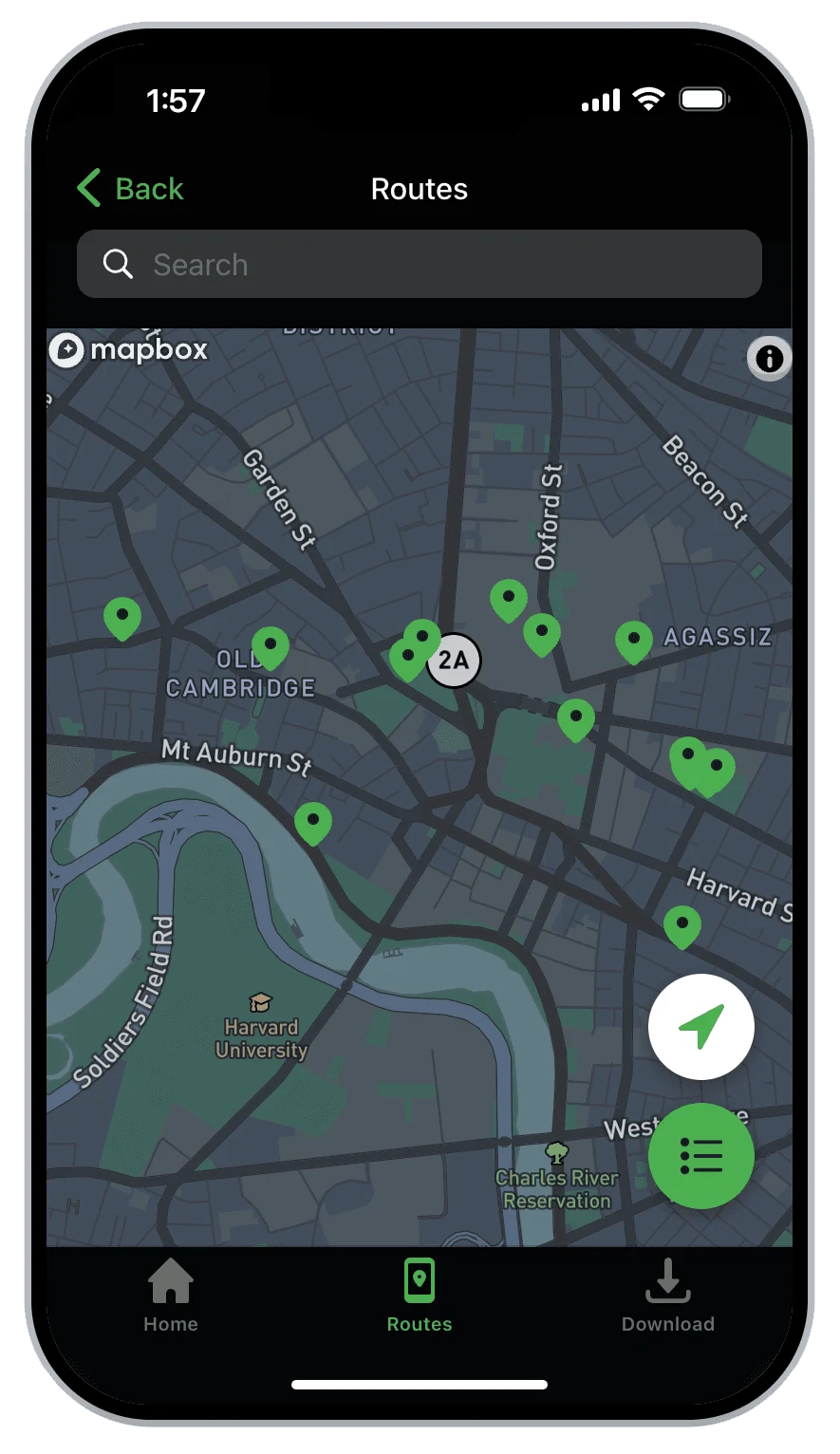
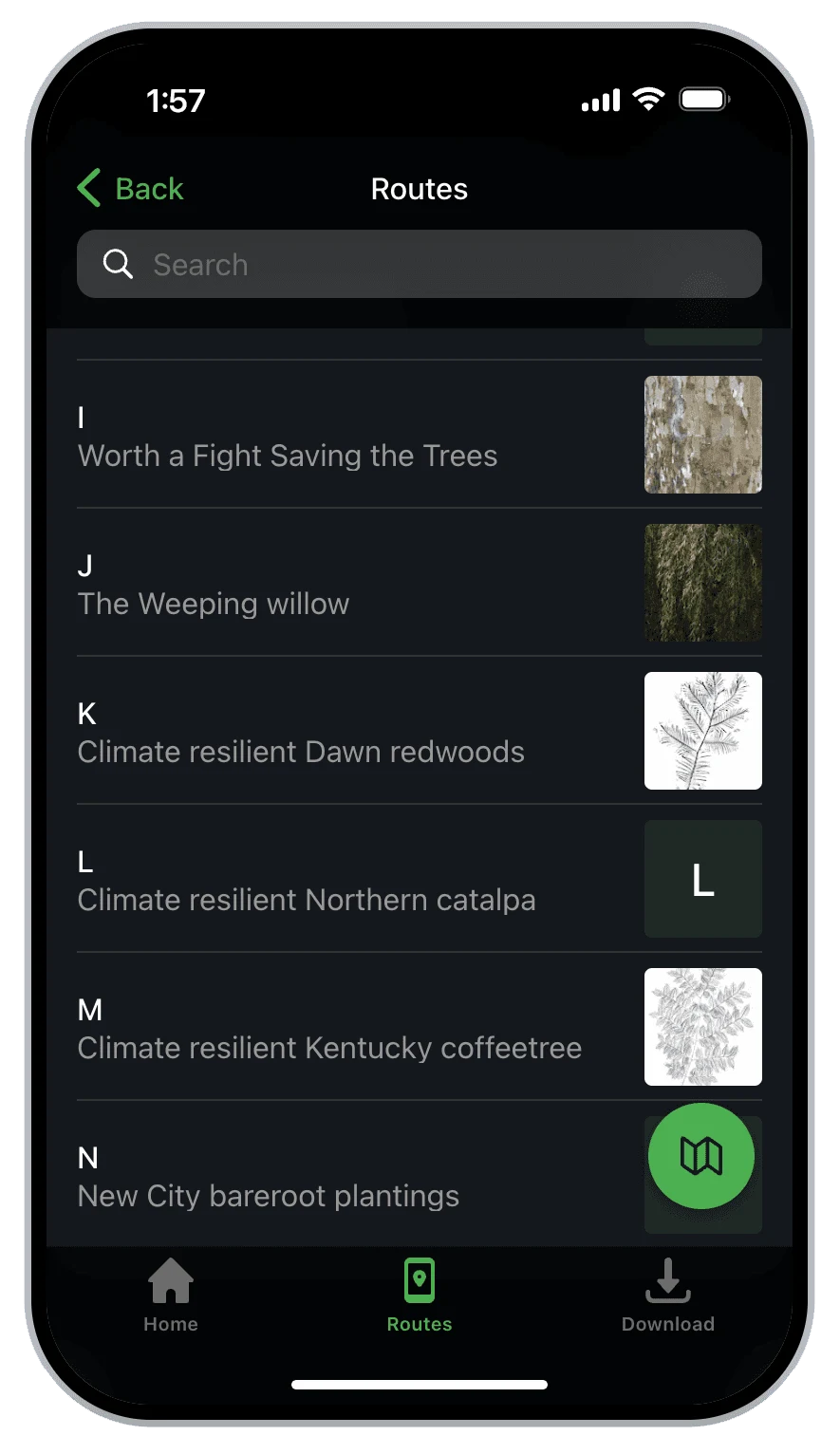
I also developed Tree Walk, an interactive tool that connected the technical research to everyday experience by helping residents explore tree species, ecological benefits, and ways to participate in stewardship.